Our Top Picks
 LEM Products Jerky Gun and Backwoods Seasoning12 Ounce (Pack of 1)14.4 x 9.6 x 2.8 inches0.75 poundsCheck on Amazon
Deer season ends with a freezer full of trim and ground venison, and the question every hunter faces is what to do with it. Slicing strips by hand is slow; a jerky gun turns seasoned ground meat into uniform strips in minutes, which then dry evenly on trays or racks. The uniform thickness is the real benefit, since strips that are the same size finish drying at the same time.
The five kits below come from brands that sell jerky guns and seasoning sets to home processors, and each is described only by what its name says. When choosing, focus on the barrel capacity, the nozzle options, and whether the kit includes cure and seasoning or only the gun. As of 2026, food safety guidance still calls for curing and heating ground meat to a safe internal temperature before drying, so treat the gun as one step in a process rather than a shortcut. If you also skin your own game, see the guide to a coyote skinning knife.
Quick Picks
| Product | Best for | Worth knowing |
|---|---|---|
| Weston Jerky Gun | Hunters who want a known processing brand | Name states a jerky gun from Weston |
| LEM Products Jerky Gun | Home processors who also buy grinders | Name states a jerky gun from LEM Products |
| Hi Mountain Jerky Kit | First-time makers who want seasoning included | Kit in the name suggests a bundled package |
| Nesco American Harvest Jerky Gun | Dehydrator owners | Nesco American Harvest is a dehydrator line name |
| Walton’s Jerky Gun | Sausage-making hobbyists | Name states a jerky gun from Walton’s |
How to Choose
Check barrel capacity and material
Barrel size sets how much meat you can load at once. A barrel holding about one pound of ground meat suits a household batch, while larger barrels reduce reloading for hunters processing a whole deer. Look for a barrel made of aluminum or sturdy plastic that does not flex under pressure, and avoid thin-walled barrels that crack. A good rule of thumb is to match the barrel to a one to two pound batch, which dries well in a standard dehydrator tray set.
Look at nozzle options and strip shape
Most guns ship with a flat nozzle for strips and a round one for sticks. A flat nozzle opening about one quarter inch thick gives classic jerky strips that dry in four to six hours at a moderate dehydrator temperature. Round sticks are thicker and take longer. A kit that includes both lets you try each style, and spare nozzles that are sold separately are a plus, since they get lost easily.
Decide whether you need a seasoning kit
Some kits include cure and seasoning, while others are a gun only. Cure is important because ground meat is more prone to bacteria than whole-muscle strips; following instructions for curing salt amounts is essential. If you plan to experiment with your own recipes, a gun-only purchase gives more freedom. Beginners often prefer a bundle, since it removes the guesswork of seasoning ratios and provides a ready recipe.
Mind food safety and cleanup
Guidelines from food safety agencies say ground meat jerky should reach an internal temperature of 160 degrees Fahrenheit before or during drying. Use a thermometer rather than guessing. Disassemble the gun after every use and wash all parts with hot soapy water, since leftover meat inside the barrel is a bacterial risk. A bottle brush helps reach the nozzle, and a gun with few parts is faster to clean.
Our Picks Reviewed
Weston Jerky Gun

Weston Original Beef Jerky Gun Kit, Makes Flat and Round Snack Sticks, 1.5lbs Meat Capacity, With Sausage Funnel, 2 Nozzles, Stomper and Two Cleaning Brushes, Gifts for Men, Black (37-0150-W)


As an Amazon Associate we earn from qualifying purchases. Product prices and availability are accurate as of the date/time indicated.
Weston is a brand associated with home meat processing equipment, and this jerky gun is part of that range. It suits hunters who already own a grinder or stuffer from the same family.
- Pro: a processing-focused brand makes it easier to find replacement nozzles and parts.
- Pro: a jerky gun produces uniform strips, which dry evenly and finish at the same time.
- Con: a gun-only product leaves you to buy cure and seasoning separately, which adds a step for beginners.
Skip it if you prefer slicing whole muscle by hand for a traditional jerky texture, or if you want a ready-made seasoning bundle. Buyers with a very small freezer stash may also prefer a smaller approach, since a gun is most useful for batches of a pound or more of ground meat.
LEM Products Jerky Gun
LEM Products Jerky Gun and Backwoods Seasoning | Heavy-Duty Beef Jerky Maker, Make Meat Sticks and Snack Sticks, Includes Nozzles for Flat Jerky or Snack Sticks

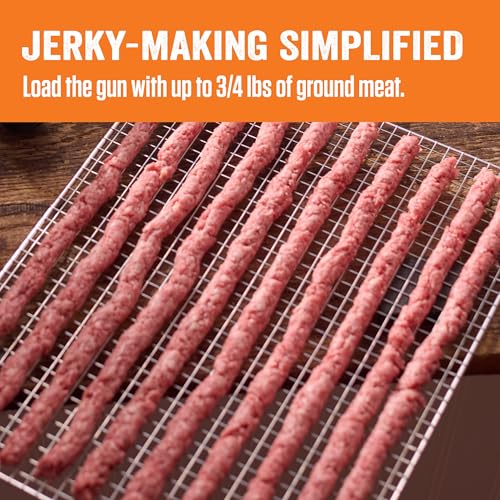

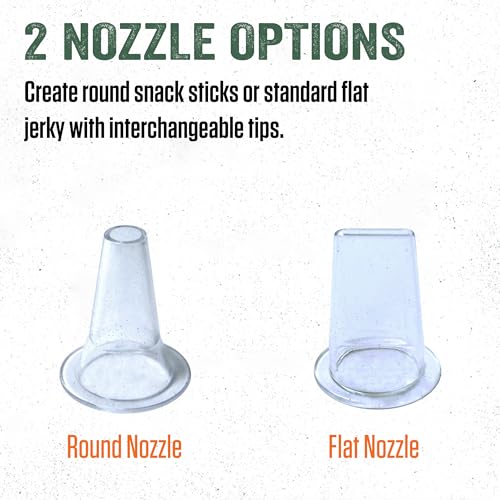


As an Amazon Associate we earn from qualifying purchases. Product prices and availability are accurate as of the date/time indicated.
LEM Products sells grinders, sausage stuffers, and meat processing accessories, and the jerky gun fits neatly into that catalog. It appeals to people who like to equip a processing station.
- Pro: a brand with a wide processing catalog makes it simple to add seasonings and accessories later.
- Pro: a gun formed for strips and sticks gives consistent thickness, which helps drying.
- Con: the name states nothing about barrel capacity or nozzle count, so you must confirm those details yourself.
Skip it if you want a kit that includes seasoning and cure, or if you only make jerky once a year, since hand-slicing may be enough. Hunters shopping on a very tight budget should also compare other guns, as accessory-brand pricing can vary widely between retailers.
Hi Mountain Jerky Kit

Hi Mountain CLASSIC COLLECTION Jerky Seasoning and Cure Kit | Variety Pack | Classic flavors: Original, Mesquite, Hickory, Cracked Pepper & Garlic, Cajun, Beef, Venison, Deer, Elk, Up to 20 lbs


As an Amazon Associate we earn from qualifying purchases. Product prices and availability are accurate as of the date/time indicated.
Hi Mountain is a brand known for jerky seasonings and cures, and a kit from them suggests a bundle that goes beyond just a gun. It is a natural starting point for beginners.
- Pro: a kit format usually bundles seasoning and cure, which removes much of the guesswork for first-timers.
- Pro: a seasoning-specialist brand gives you recipe ideas for game meats like venison.
- Con: kits are built around the brand’s own seasoning, so changing flavors later means buying more mixes.
Skip it if you already have a trusted recipe and only need a gun, or if you want to build a custom spice blend. Anyone who needs a larger barrel for processing a whole animal should check capacity first, since the name does not give any numbers.
Nesco American Harvest Jerky Gun
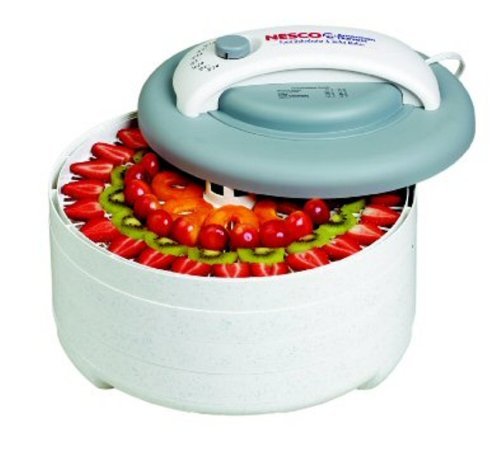
Nesco American Harvest FD-61 Snackmaster Encore Dehydrator and Jerky Maker, Garden, Lawn, Maintenance


As an Amazon Associate we earn from qualifying purchases. Product prices and availability are accurate as of the date/time indicated.
Nesco’s American Harvest line is known for food dehydrators, so a jerky gun with that name pairs naturally with a dehydrator you may already own.
- Pro: a gun from a dehydrator brand fits neatly with a tray-based drying setup.
- Pro: matching brands can make it easier to follow a single recipe and drying schedule.
- Con: if you do not own a dehydrator, you will need an oven or smoker to finish the jerky safely.
Skip it if you plan to smoke jerky exclusively, or if you want a large-capacity barrel for deer season. Think about the strip thickness that suits your drying equipment, and confirm the nozzle shapes so the strips fit your trays. Cleanup should be done right after use.
Walton’s Jerky Gun
Walton’s is a supplier for sausage makers and home processors, and its jerky gun suits hobbyists who already shop for casings, cures, and spices there.
- Pro: a supplier with many processing products makes it simple to buy the rest of your supplies in one place.
- Pro: a jerky gun speeds up forming strips compared with slicing, which saves time on large batches.
- Con: the name does not mention barrel size, so you must verify capacity before relying on it for large batches.
Skip it if you want an all-in-one kit with seasoning, or if you prefer the texture of whole-muscle jerky. People who make jerky only once a year might not use a gun enough to justify one, since cleaning takes a few minutes every time.
From Gun to Finished Jerky
The process is short but order matters. Mix cold ground meat with cure and seasoning, then rest it in the refrigerator overnight so the flavors spread. Load the barrel without trapped air, press strips onto dehydrator trays or oven racks, and leave a little space between them for airflow. Dry at a steady temperature until a cooled strip bends and cracks without snapping in half, then finish with a heating step to reach a safe internal temperature. Cool the jerky, blot any surface fat, and store it in airtight bags or jars with the air pressed out.
Flavor ideas are endless: black pepper and soy for a classic profile, a little brown sugar and smoke for sweeter strips, or chili and lime for heat. Keep notes on each batch, including the ratio of cure to meat, so a good result can be repeated next season. Start with small batches until the routine feels natural.
Storage and Safety Notes
Properly dried and cured jerky keeps for a month or two in a cool pantry and for several months in the freezer. Add oxygen absorber packets to jars if you plan to store jerky longer. Discard any batch that smells off, shows mold, or feels damp, and never taste raw ground meat mixes to check the seasoning. Label bags with the date and meat type so older batches are eaten first, and keep raw meat tools separate from finished product during prep.
Which One Fits
- First-timers wanting seasoning included: the Hi Mountain Jerky Kit.
- Dehydrator owners: the Nesco American Harvest Jerky Gun.
- Home processing station builders: the Weston, LEM, or Walton’s guns.
- Venison-heavy seasons: any of the guns, paired with a thermometer and cure.
- Hunters who skin their own animals: see the coyote skinning knife guide for field tools.
Common Mistakes
- Skipping cure or food-safe heating steps with ground meat.
- Overfilling the barrel, which makes it hard to push the plunger.
- Making strips too thick, so they dry unevenly.
- Not cleaning the barrel and nozzle right after use.
- Using meat that is too fatty, which goes rancid faster.
FAQ
Can I use any ground meat?
Lean ground meat works best, since fat shortens shelf life. Venison, beef, and turkey are common choices.
Do I need a dehydrator?
Not necessarily. An oven at a low temperature on racks also works, but a dehydrator is more consistent.
How long does homemade jerky keep?
Properly dried jerky lasts about one to two months in an airtight container at room temperature, and longer in the freezer.
Is a jerky gun hard to clean?
It has few parts but needs a thorough wash after each use. Warm soapy water and a bottle brush work well.
Should I add cure?
Yes, for ground meat jerky. Follow the instructions on the product. You might also read our notes on electric pasta makers if you enjoy homemade food projects.
FAQ
Can I use any ground meat?
Do I need a dehydrator?
How long does homemade jerky keep?
Is a jerky gun hard to clean?
Should I add cure?
More from Amazon
Programs that pair well with the guide above. Offers and eligibility are set by Amazon and may change.
Free shipping on eligible items, Prime Video and more. Eligible new members can start with a free trial.
Start a Prime free trialAudiobooks and podcasts to listen to on the go. Eligible new members can start with a free trial.
Try Audible freeAd-free music streaming. Eligible new subscribers can start with a free trial.
Try Music Unlimited freeA free business account with business pricing and bulk-buying tools for work, shop or home office.
Create a business accountAs an Amazon Associate we earn from qualifying purchases.




Write Your Review
No reviews yet. Be the first to share your experience!