Our Top Picks
 Havalon Piranta Edge Skinning Knife with 60A Replaceable3.3"1.1 x 9.75 x 4.3 inches0.2 poundsCheck on Amazon
 OUTDOOR EDGE Knives' RazorPro L Hunting Knife with0.01 x 0.01 x 0.01 inches0.4 poundsCheck on Amazon
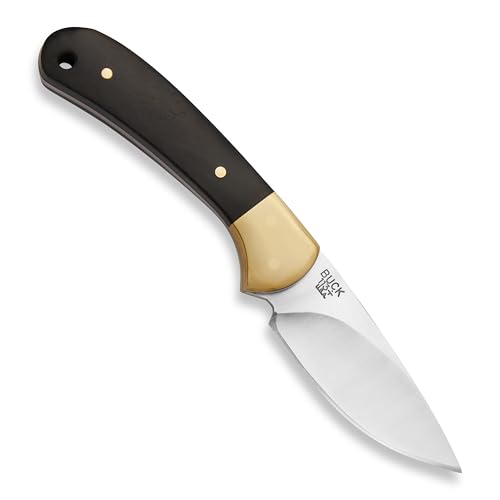 Buck Knives 113 Ranger Skinner Hunting Knife with3.1"2.38 x 8.5 x 1.5 inches0.3 poundsCheck on Amazon
 Morakniv Companion Carbon Steel Fixed-Blade Knife With Sheath4.1"9.1 x 1.9 x 1.4 inches0.25 poundsCheck on Amazon
A coyote hanging from a gambrel in a cold garage gives you about twenty minutes before your hands stiffen and your patience thins. The hide is thin, the fur is dense, and one slip with a clumsy blade can nick the pelt, which lowers its value or ruins it for tanning. That is why a good coyote skinning knife is a small, sharp, controllable tool rather than a big hunting blade.
The six picks here cover the two main philosophies: replaceable-blade scalpel-style knives and fixed-blade skinners that you resharpen. Each is judged on how it fits the job of caping, opening the legs, and working the hide free around the head and feet. As of 2026, the key choices are blade style, handle grip when wet, and sheath quality. If your fur season ends with trail mix and cured meat at the table, our look at jerky gun kits follows naturally.
Quick Picks
| Product | Best for | Worth knowing |
|---|---|---|
| Havalon Piranta Edge | Hunters who want a replaceable-blade knife | Edge in the name marks a model within the Piranta line |
| Outdoor Edge RazorPro | Fast blade swaps in the field | Razor in the name signals replaceable blades |
| Outdoor Edge Razor-Lite | Lighter field carry | Lite in the name signals a lighter version |
| Buck 103 Skinner | Traditional fixed-blade fans | The name states a skinner pattern |
| Buck 113 Ranger Skinner | Folding carry with skinner shape | Ranger line, skinner pattern |
| Morakniv Companion | All-round outdoor use | Companion is the model name within the Morakniv range |
How to Choose
Choose a blade shape that suits thin hides
Coyote hide is thin compared with deer, so look for a blade between roughly 2.5 and 4 inches long with a pronounced curve or drop point. A shorter blade gives control around the paws, lips, and ears, while a long blade tends to cut through the hide by accident. Scalpel-style replaceable blades are extremely sharp and ideal for delicate caping work, whereas a fixed skinner shape lets you glide under the hide without piercing it. A good rule of thumb is a blade thin enough to slide flat against the skin.
Decide between replaceable and fixed blades
Replaceable-blade knives are always razor-sharp and remove the chore of sharpening in the field, but each spare blade costs money and the thin steel can snap if you twist it. Fixed blades from a good steel, in the 56 to 60 Rockwell hardness range, hold an edge through several animals and can be sharpened on a small stone. Fur handlers who skin many coyotes in a season often carry both: a fixed knife for rough opening and a replaceable blade for detail work.
Handle grip matters more than blade length
Fat, blood, and cold hands are a bad combination. Look for textured rubber or a molded handle that stays grippy when wet, plus a finger guard or a flared end that prevents your hand sliding onto the edge. A handle in the 4 to 5 inch range suits most hands. Wood handles look good, but sealed or treated wood is necessary to keep it from soaking up moisture and odors over a long season.
Check the sheath and the care routine
A solid sheath protects both you and the knife in a pack. Look for secure retention so the knife does not slip out when you crouch. After use, wash the blade with warm water, dry it, and wipe it lightly with oil, because blood and salt can pit carbon steel. A stainless steel blade needs less care but may be harder to sharpen. Whatever the steel, keep a small stone or strop with your kit so you can touch up an edge in minutes.
Our Picks Reviewed
Havalon Piranta Edge
Havalon Piranta Edge Skinning Knife with 60A Replaceable Blades | Rugged Handle, Easy-Clean Design, and Nylon Holster


As an Amazon Associate we earn from qualifying purchases. Product prices and availability are accurate as of the date/time indicated.
Havalon built its name on knives that use replaceable scalpel-style blades, and the Piranta Edge is a model in that line. It suits hunters who care about a very sharp edge for detailed work.
- Pro: a replaceable-blade design means you can swap to a fresh edge in the field instead of sharpening.
- Pro: scalpel-style blades are well suited to the delicate caping and leg work on a thin coyote hide.
- Con: spare blades are a recurring purchase, and very thin blades can snap if they are twisted or used for prying.
Skip it if you want one rugged blade for chopping and rough camp chores, or if you dislike handling and disposing of small razor blades. Anyone new to skinning should be careful when changing blades, since every swap exposes a very sharp edge.
Outdoor Edge RazorPro
OUTDOOR EDGE Knives' RazorPro L Hunting Knife with Razor-Sharp Replaceable Blade features Non-Slip TRP Orange Handle, Belt Holster, & 12 Blades. Must-Have Field Dressing Knife for Your Hunting Gear


As an Amazon Associate we earn from qualifying purchases. Product prices and availability are accurate as of the date/time indicated.
Outdoor Edge sells knives built around quick blade changes, and the RazorPro name points to the replaceable-blade family. It suits hunters who skin multiple animals in a sitting.
- Pro: razor-style replaceable blades let you stay sharp through a whole trapline or hunting day.
- Pro: a fast-change design saves time in cold weather when your fingers are slow.
- Con: replaceable blades are best for skinning rather than heavy tasks, so a second knife is still smart for general camp chores.
Skip it if you want a traditional fixed knife that can be resharpened, or if you would rather not buy replacement blades over time. Buyers on a tight kit weight budget should also consider whether carrying a spare-blade case is worthwhile.
Outdoor Edge Razor-Lite

OUTDOOR EDGE Razor-Lite Folding Hunting Knife – 3.5″ Replaceable Razor Blades, Non-Slip Rubber Handle, Lock-Back Safety, Includes 6 Blades and Nylon Sheath


As an Amazon Associate we earn from qualifying purchases. Product prices and availability are accurate as of the date/time indicated.
The Razor-Lite sits in the same replaceable-blade family as the RazorPro, with Lite in the name signalling a lighter, smaller package. It is a good option for hunters who count ounces.
- Pro: a lighter knife is easy to carry in a coat pocket for a long walk to the stand.
- Pro: razor-style blades are handy for fine work around the head and feet.
- Con: a lighter knife often means a smaller handle, which can feel cramped in a large hand with gloves on.
Skip it if you have large hands, wear thick gloves, or prefer a heavy fixed blade that feels solid. Compare the handle size against the RazorPro before deciding, since the name does not state dimensions, and consider how it sits when your hands are slick.
Buck 103 Skinner
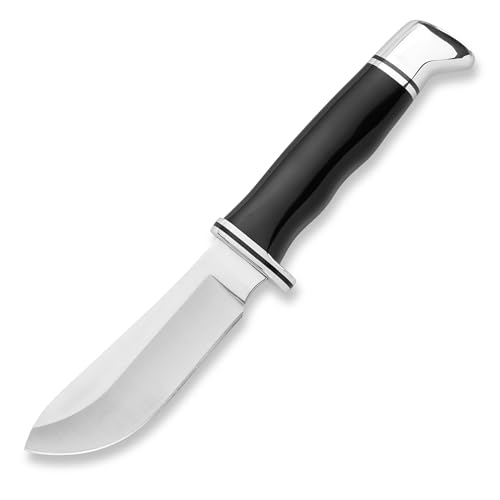
Buck Knives 103 Skinner Hunting Knife with Sheath, Black, 4.3 oz | Strong Full Tang Design, 4" Skinner 420HC Stainless Steel Blade, Phenolic Handle, Fixed Outdoor Knife Made in the USA


As an Amazon Associate we earn from qualifying purchases. Product prices and availability are accurate as of the date/time indicated.
Buck is a long-established knife maker, and the 103 Skinner is named for a classic skinner pattern, which puts a curved belly on the blade for smooth hide work.
- Pro: a fixed blade can be resharpened again and again, so it lasts across many seasons.
- Pro: a skinner pattern is designed to glide under hide without piercing, which helps keep pelts clean.
- Con: a fixed knife needs a sheath, a stone, and care, and it is less compact than a folding model.
Skip it if you prefer the always-sharp convenience of replaceable blades, or if you want a pocket carry knife. Beginners can still use it, but they should plan to learn basic sharpening, since a dull skinner is more dangerous than a sharp one.
Buck 113 Ranger Skinner
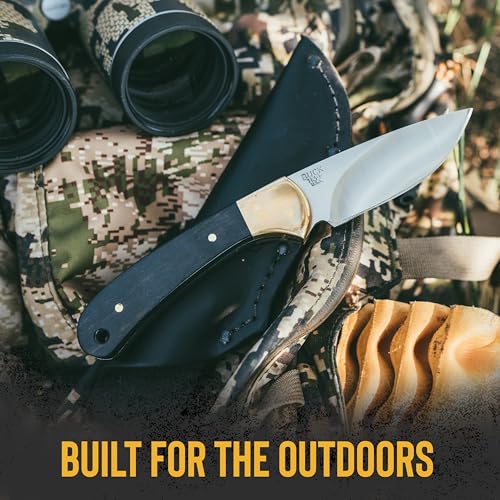
Buck Knives 113 Ranger Skinner Hunting Knife with Sheath, 5.2 oz | 3-1/8" Skinner 420HC Stainless Steel Blade, Classic Ebony Handle, Fixed Outdoor Knife for Hunting, Knife Made in the USA



As an Amazon Associate we earn from qualifying purchases. Product prices and availability are accurate as of the date/time indicated.
The 113 Ranger Skinner combines the skinner idea with the Ranger line, a model that is generally associated with a folding knife you can carry in a pocket or on a belt.
- Pro: a folding design is easier to carry and safer to stow than a bare fixed blade.
- Pro: the skinner name indicates a blade shape intended for hide work rather than general chopping.
- Con: a folding knife has a hinge that must be kept clean, and blood and fur can work into it.
Skip it if you want a fixed blade with maximum strength, or if you dislike the extra cleaning a hinge requires. Hunters who skin heavy animals as well should confirm the blade length suits larger game before relying on it.
Morakniv Companion
Morakniv Companion Carbon Steel Fixed-Blade Knife With Sheath, 4.1 Inch, Military Green


As an Amazon Associate we earn from qualifying purchases. Product prices and availability are accurate as of the date/time indicated.
Morakniv is a Swedish maker known for simple fixed-blade outdoor knives, and the Companion is a general-purpose model rather than a dedicated skinner.
- Pro: a general-purpose fixed blade can handle camp tasks as well as skinning, which reduces how many knives you carry.
- Pro: simple fixed knives are easy to sharpen and straightforward to maintain.
- Con: a general-purpose blade is not shaped specifically for hide work, so it needs more care around thin hide.
Skip it if you want a purpose-built skinner or a scalpel-style edge for delicate caping. Anyone who wants a very short, nimble blade for feet and ears should pair it with a smaller knife. Compared with the Havalon, it trades extreme sharpness for ruggedness, and it will need a stone or strop to stay keen.
A Basic Skinning Routine
Most coyote hunters hang the animal by the hind legs, make a cut from the heel along the inside of each leg, and then free the hide down the body by cutting only the thin connective tissue, keeping the edge turned toward the meat side. Work slowly around the tail, the ears, and the lips, where a stray cut shows up later in the finished pelt. Keep fur dry and out of contact with fat, since grease is hard to remove. If the pelt is not going to a fur handler right away, fold it fur-in and freeze it to prevent spoilage, and always wash your hands and knife afterward.
Which One Fits
- Delicate caping and many animals per day: the Havalon Piranta Edge or Outdoor Edge RazorPro.
- Light carry: the Outdoor Edge Razor-Lite.
- Classic fixed blade: the Buck 103 Skinner.
- Folding carry with a skinner shape: the Buck 113 Ranger Skinner.
- One knife for camp and skinning: the Morakniv Companion.
Common Mistakes
- Using a long, thick blade on thin coyote hide and cutting through it.
- Forgetting a way to sharpen a fixed knife during the season.
- Choosing a handle that is slippery when wet or cold.
- Skipping a wash and oil routine, which lets blood pit the steel.
- Carrying a replaceable-blade knife without spare blades.
FAQ
How long should a coyote skinning blade be?
Roughly 2.5 to 4 inches. A shorter blade gives control around paws and the head.
Are replaceable-blade knives better for beginners?
They are easier because the edge is always sharp, but they demand careful blade changes.
How do I keep my hands from slipping?
Choose a textured handle and wear thin nitrile gloves; wipe the handle when it gets slick.
Can I use the same knife to process the meat afterward?
Yes, but coyote is rarely eaten, so many hunters keep a separate kit. If you do make jerky from other game, see the jerky gun kit guide.
Do I need any other tools?
A gambrel, a bone saw or shears, and a small stone help. A clean workspace is easier to hose out if you follow a drain inspection camera check before a big skinning season blocks the garage drain.
FAQ
How long should a coyote skinning blade be?
Are replaceable-blade knives better for beginners?
How do I keep my hands from slipping?
Can I use the same knife to process the meat afterward?
Do I need any other tools?
More from Amazon
Programs that pair well with the guide above. Offers and eligibility are set by Amazon and may change.
Free shipping on eligible items, Prime Video and more. Eligible new members can start with a free trial.
Start a Prime free trialAudiobooks and podcasts to listen to on the go. Eligible new members can start with a free trial.
Try Audible freeAd-free music streaming. Eligible new subscribers can start with a free trial.
Try Music Unlimited freeA free business account with business pricing and bulk-buying tools for work, shop or home office.
Create a business accountAs an Amazon Associate we earn from qualifying purchases.



Write Your Review
No reviews yet. Be the first to share your experience!